



For centuries, the concept of “money” was something you could physically hold. It was the weight of a coin in your palm or the crisp texture of a banknote. But we are currently living through the fastest evolution of money in human history.
The question is no longer if money will go digital, but how quickly the physical wallet will become a relic of the past. For anyone looking to build wealth today, understanding this transition isn’t just an interesting tech trend—it is a financial necessity.
What Exactly Is Digital Currency?
Most people assume digital currency just means Bitcoin. In reality, digital currency is much broader. It is any form of money or payment that exists only in electronic form.
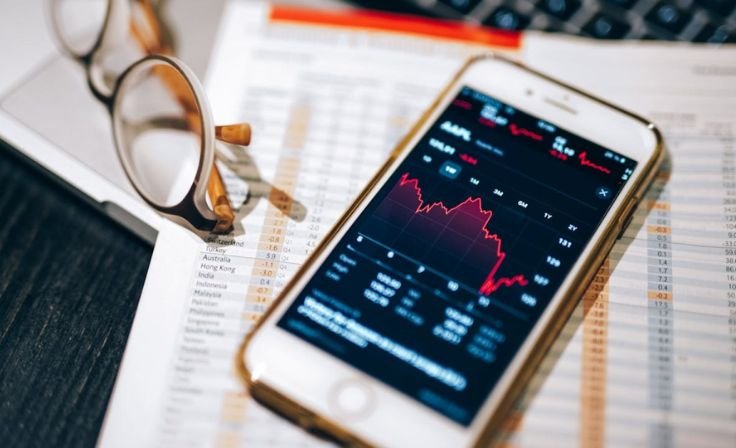
When you check your bank balance on your phone, you are looking at digital currency. When you send money via a mobile app or tap your phone at a grocery store, you are using digital currency. It encompasses:
- Centralized Digital Money: The balances in your traditional bank accounts.
- Mobile Wallets: Platforms like Apple Pay, Google Pay, or PayPal.
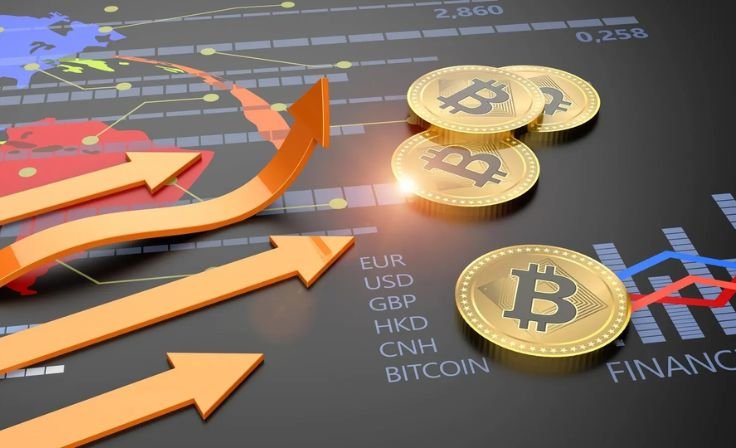
- Cryptocurrencies: Decentralized assets like Bitcoin or Ethereum.
- CBDCs: Central Bank Digital Currencies (digital versions of a country’s national currency, like a digital Dollar or Euro).
The Great Shift: Why the World is Moving Away from Cash
The move toward a cashless society isn’t just about convenience; it’s about efficiency and global connectivity. Here is why this shift matters for your financial future:
1. Speed and Global Accessibility
In the old world, sending money across a border could take days and involve massive fees. Digital currency ignores borders. Whether you are sending $5 to a friend next door or $500 to a business partner across the ocean, the transaction happens in seconds. For the “Lucky Frog” generation, this global accessibility opens up investment opportunities that were previously impossible.
2. Enhanced Security and Tracking
Physical cash is anonymous and easily lost. Once it’s gone, it’s gone. Digital currency, however, leaves a “paperless trail.” This makes it much easier to track your spending habits, manage your budget, and catch fraudulent activity the moment it happens. In a digital-first system, your money is protected by layers of encryption and biometrics.
3. The Death of “Hidden” Costs
Printing, transporting, and securing physical cash is incredibly expensive for governments and businesses. These costs are often passed down to the consumer in the form of higher prices. By moving to digital systems, these overheads are reduced, leading to more efficient financial ecosystems where micro-investments (like the $1 fractional shares we discussed) become viable.
The Challenges of a Cashless Society
While the future looks digital, the transition isn’t without its hurdles. To be truly financially literate, you must understand the risks:
- Privacy Concerns: Every digital transaction is recorded. This leads to questions about who has access to your data and how it is being used.
- Cybersecurity: As money moves to the cloud, the “bank robbers” move there too. Protecting your digital identity with strong passwords and two-factor authentication is no longer optional.
- The Digital Divide: Not everyone has access to high-speed internet or smartphones. A fully cashless world risks leaving behind those in developing areas or older generations who aren’t tech-savvy.
What the Future of Money Looks Like
We are moving toward a “Programmable Money” era. Imagine a world where your money is “smart.” You could program your digital wallet to automatically move a portion of your paycheck into an investment account only if your bills are already paid, or a world where transactions happen instantly without a middleman taking a cut.
We will likely see a hybrid future for a while, where cash exists for small, private transactions, but the “heavy lifting” of wealth building—investing, savings, and large purchases—happens entirely in the digital realm.
Final Thoughts: Don’t Just Watch the Future, Lead It
At Lucky Frog, Dean’s vision is to ensure you aren’t just a spectator in this financial revolution. The transition from cash to digital is a leap forward. It makes investing more accessible, saving more automatic, and global trade more inclusive.
The best thing you can do today is to get comfortable with digital tools. Set up a mobile wallet, explore how a digital-only bank works, and start treating your digital balance with the same respect you would a stack of $100 bills.
The future of money is already here. It’s just not in your pocket anymore—it’s in your hands.