




Most of us were raised with a single financial mental model: Trading time for money. You go to work for eight hours, and you get paid for eight hours. While this is a great way to start, it has a major flaw—you only have 24 hours in a day. Your earning potential is capped by your clock.
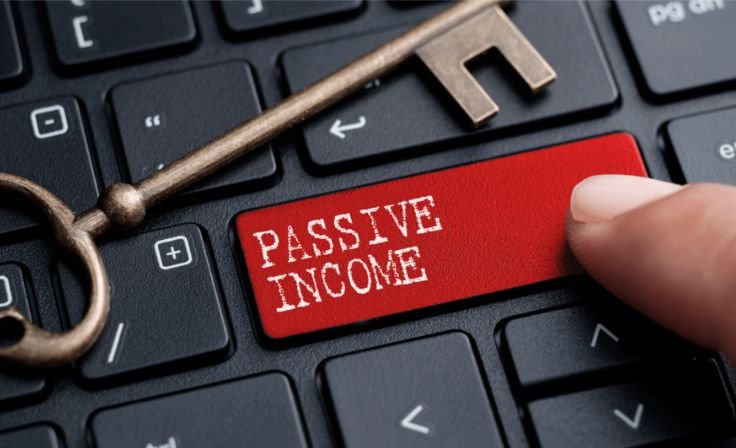
Passive income is the solution to that problem. It is money that flows into your bank account whether you are at your desk, at the gym, or fast asleep. It isn’t “free money”—it usually requires an upfront investment of either time or capital—but once the engine is running, it changes your life forever.
What Exactly Is Passive Income?
Passive income is earned with minimal ongoing effort to maintain it. Think of it like planting a fruit tree. In the beginning, you have to dig the hole, plant the seed, and water it every day. You aren’t getting any fruit yet, but you are building an asset. Eventually, the tree grows large enough to produce fruit on its own, year after year, with very little help from you.
Three Proven Sources of Passive Income
For beginners, the world of passive income can be overwhelming. To stay focused, we recommend looking at these three core categories:
1. Dividend-Paying Stocks
This is one of the most accessible ways to start. When you own shares in profitable companies (like Coca-Cola or Apple), they often share their profits with you in the form of “dividends.”
- The Strategy: You invest your money once, and the company sends you a check every quarter just for owning the stock. By using a DRIP (Dividend Reinvestment Plan), you can automatically use those checks to buy more shares, making your “fruit tree” grow even faster.
2. Rental Income and REITs
Real estate has been a classic passive income stream for centuries. While buying a physical house requires a lot of money, beginners can start with REITs (Real Estate Investment Trusts).
- The Strategy: A REIT is a company that owns and manages a portfolio of properties. By buying shares in a REIT, you get a portion of the rent collected from shopping malls, apartments, and offices without ever having to fix a leaky faucet or deal with a tenant.
3. Digital Assets and Online Businesses
In the digital age, your “intellectual property” can be a massive income stream.
- The Strategy: If you write an e-book, create an online course, or build a blog that earns ad revenue, you do the work once. People can buy that product or click those ads 24/7, all over the world. Your “store” never closes.
The Beginner’s Roadmap: How to Get Started
Passive income is a marathon, not a sprint. Here is the Lucky Frog approach to building your first stream:
- Choose One Path: Don’t try to buy a rental property and start a YouTube channel in the same week. Pick one stream that fits your current resources (money or time) and master it.
- Invest Your Surplus: Passive income usually requires “seed money.” Use your active income (your day job) to fund your passive assets.
- Reinvest Everything Early On: In the beginning, your passive income might only be $5 a month. Don’t spend it. Reinvest it. This is how you build momentum.
- Be Patient: Passive income is “front-loaded.” All the work happens at the start, and all the rewards happen at the end. Most people quit right before the tree starts bearing fruit.
Final Thought: Freedom is the Ultimate Goal
Passive income isn’t about being “lazy.” It’s about flexibility. When your passive income covers your basic living expenses, work becomes a choice rather than a requirement.
At Lucky Frog, we want to help you take that leap from “surviving” to “thriving.” By building assets that work for you, you aren’t just building a bank account—you are buying back your time. Start planting your seeds today, and let the power of compounding do the rest.